Lightweight Rear Wheelchair for Small Dogs


Lightweight Rear Wheelchair for Small Dogs
Lightweight, breathable, and easy to wear — designed to give small dogs their independence back without weighing them down.

Who is this wheelchair for?
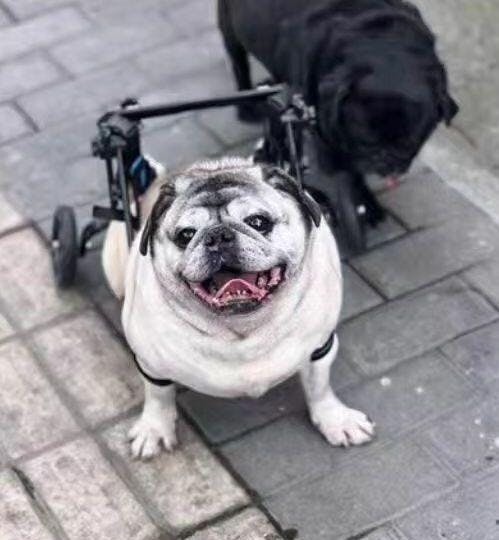
This wheelchair is built for small dogs whose rear legs have lost strength or function — whether from a spinal condition, nerve damage, post-surgery recovery, or the natural decline that comes with age. If your dog's front legs are healthy and they still have the instinct to move, this chair gives them the means to do it.
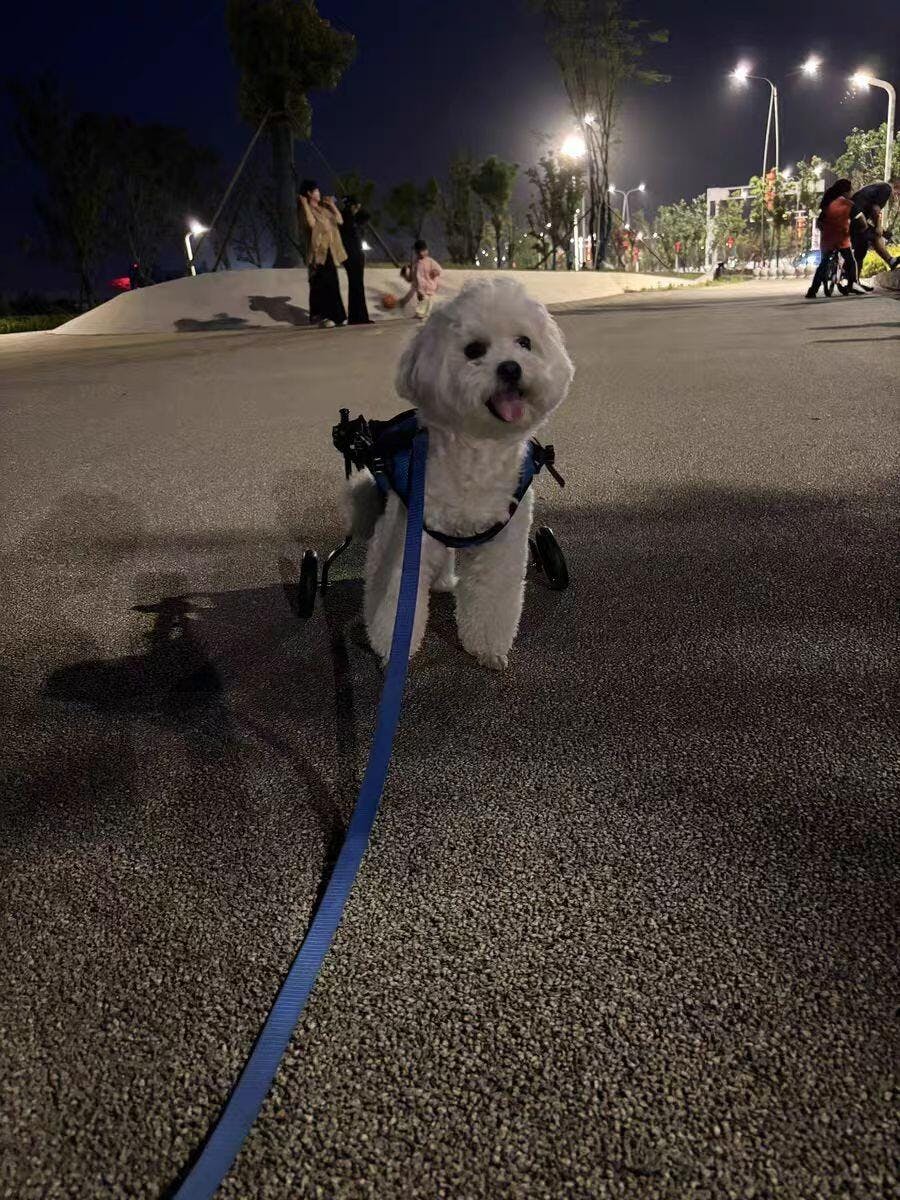
The lightweight aluminum frame and breathable mesh harness make it one of the easiest wheelchairs to adapt to. Dogs who are sensitive to wearing equipment, who live in warmer climates, or who are trying a wheelchair for the first time often respond well to this design — there's less bulk, less weight, and less to get used to.
Not sure if a rear-wheel chair is right for your dog, or want to understand more about the conditions that lead to rear limb weakness? Read our complete guide: How to Choose the Right Wheelchair for Your Dog
Why this wheelchair
- Lightweight aluminum frame — slender tubing keeps the overall weight low, so your dog carries less burden with every step.
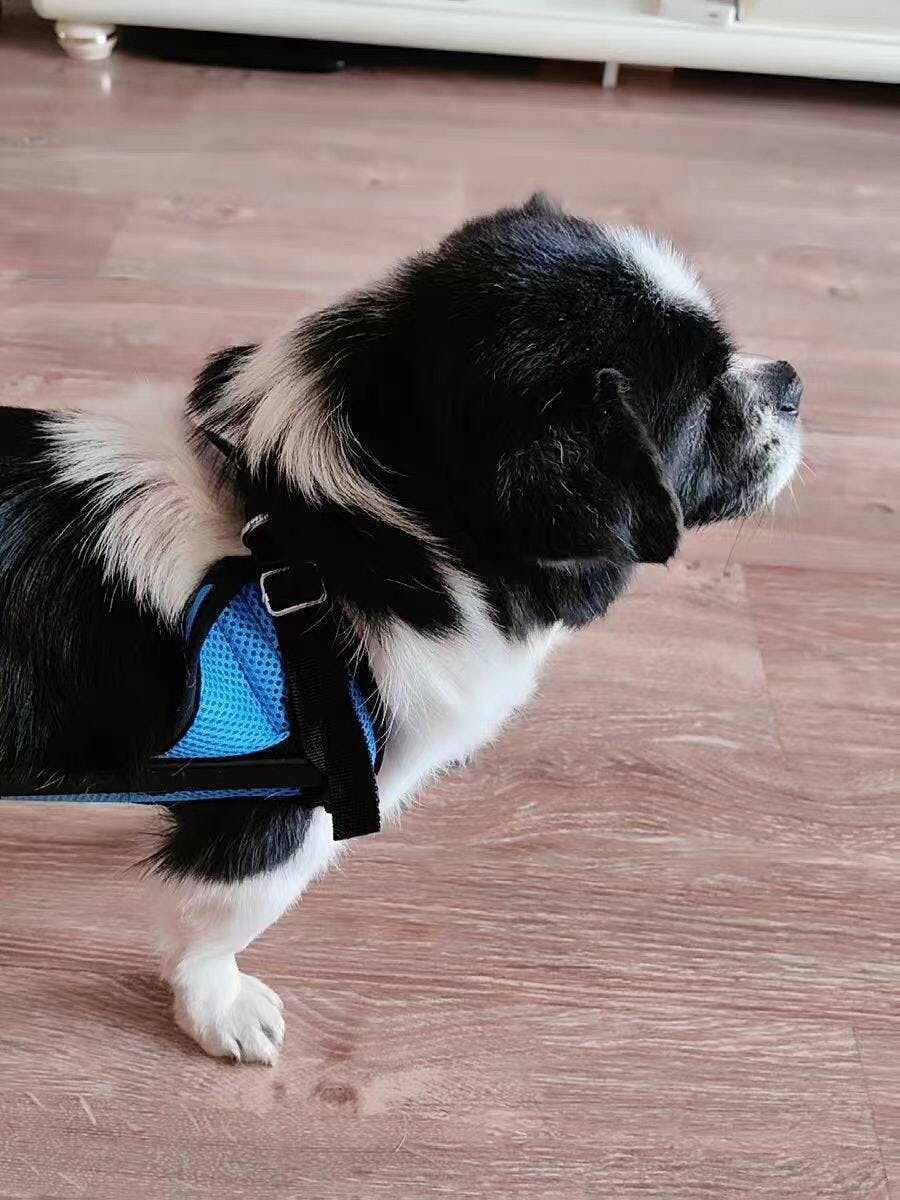
- Breathable mesh harness — ventilated material sits against the body without trapping heat, making it comfortable for extended daily wear.
- 6-direction adjustable frame — height, width, and length all adjust independently to fit your dog's exact proportions, not just their approximate size.
- Shock-absorbing rear wheels — textured 5.5" wheels absorb surface irregularities for a smoother ride on pavement, grass, and indoor floors.
- Quick-release buckles — faster to put on and take off, which matters when you're doing this multiple times a day.
- Extended tail support — designed to avoid pressure on the tail during use.
- Suspended leg straps — support the rear legs without pressing directly on injured or sensitive areas.
- D-ring for leash attachment — allows normal leashed walks without modification.
Ideal for
- Rear limb paralysis or weakness
- IVDD and spinal cord conditions
- Degenerative myelopathy
- Post-surgery rehabilitation
- Senior dogs with age-related rear leg decline
- Neurological conditions affecting rear limb function
- First-time wheelchair users
Size guide
Fit is determined by body measurements, not weight alone. Measure your dog's body length (neck base to tail base), back height (ground to hip), and body width (widest point of ribcage) while they are standing. These three dimensions are what determine the right size — weight is a reference point only.
See the size chart below to match your measurements to the right size.

Typical breeds: Poodle, Pomeranian, Maltese, Yorkshire Terrier, Shih Tzu, French Bulldog, Bichon Frise, Miniature Schnauzer, Papillon — and cats. If you're unsure, send us your measurements and we'll confirm the fit before you order.
Usage tips
- Start on flat surfaces for the first few sessions — grass and uneven ground can be introduced gradually.
- Begin with 5–10 minute sessions and increase duration as your dog adapts.
- Stay nearby during initial use to monitor posture and comfort.
- Check the fit regularly — a well-fitted wheelchair should keep the spine level and the rear legs gently supported off the ground.
- Keep the frame dry; wipe down after outdoor use.
Not sure this is the right fit?
Start here — most dogs need a rear-wheel chair, but it depends on which legs are affected:
| My dog's situation | Recommended type |
|---|---|
| Rear legs weak or paralysed, front legs healthy | Rear-wheel wheelchair |
| Front legs also weak or unreliable | 4-wheel wheelchair |
| Very elderly dog with overall body weakness | 4-wheel wheelchair |
| Post-surgery rear limb recovery, front legs fine | Rear-wheel wheelchair |
If a rear-wheel chair is right for your dog, here's how the models compare:
| Model | Best for | Key feature | Size |
|---|---|---|---|
| A1 — Lightweight ← you are here | First-time users, sensitive dogs, warmer climates | Lightweight frame, breathable mesh | Small |
| A2 — Lightweight | Same as A1 for medium dogs | Lightweight frame, breathable mesh | Medium |
| A3 — Lightweight | Same as A1 for large dogs | Lightweight frame, breathable mesh | Large |
| B1 — Pro | Heavy daily use, long-term wear | Heavier-gauge frame, premium tyres | Small |
| C1 — Foldable | Dogs wearing wheelchair most of the day | Dog can rest without removing | Small–medium |
All five rear-wheel models support dogs with rear limb weakness — the difference is in size, build quality, and how long your dog needs to wear it each day. Still not sure? Click the 👋 icon in the bottom right corner to chat with us, or email us at contact@pawpattz.com — we're happy to help you find the right fit.